





5 Tips for Winter
SEPTIC SYSTEM Care
Cleaner Water Together
This story originally appeared in our newsletter, the Basin Bulletin, in January 2026. Subscribe to our newsletter here and stay in the know for all things H2O!
As we enter the coldest months of the year in the Ozarks, many of us take extra steps to keep our water flowing and pipes from freezing. But for homeowners with septic systems, cold winter weather creates unique challenges. The good news is that most advice for maintaining septic systems applies just the same in winter. Here are five tips to ensure your septic systems keep functioning smoothly all season long:
Tip #1: Maintain regular water use
In winter, it’s important to keep water flowing in your pipes to prevent freezing — but don’t overdo it. Too much water at once can overload the septic system.
- Space out water use throughout the day.
- Avoid running multiple water-intensive appliances (like back-to-back loads of laundry) at once.
- If you let your faucets drip overnight, place a bucket underneath. Use it to water houseplants, fill animal bowls, or flush toilets.
Tip #2: Don't compact the ground around your drain field
The lateral lines of a septic system can’t operate well in compacted soil. While snow can insulate cold ground, compact snow is less effective.
- Avoid driving, parking, or plowing snow over your drain field.
- Don’t place heavy equipment or temporary structures on the drain field or septic system.
- Leave snow in place to help insulate the soil and system components.

Tip #3: Avoid chemical additives
Some homeowners may put antifreeze in their septic tank to prevent freezing. However, septic tanks are usually buried deep under the ground, where it’s warmer. Harsh, corrosive chemicals like antifreeze are more likely to kill off the bacteria in their tank than protect it from freezing. The living bacteria in the septic tank are crucial to break down waste and generate some heat through biological activity. There are safer alternatives to protect your septic system in freezing weather.
- Don’t add antifreeze, salts, or chemical additives to your septic tank.
- Avoid products marked as “freeze prevention” for septic systems.
- Choose gentle, natural alternatives or enzyme-based cleaners that won’t disrupt the septic ecosystem.
- Add insulation by laying straw on the ground above the tank area, or by letting the grass grow tall before winter.

Tip #4: Insulate home plumbing pipes and check for leaks
Freezing is usually only a concern for pipes exposed to cold air. Septic tanks and underground components are typically buried below the frost line and are unlikely to freeze. It’s more important to check visible pipes inside your home.
- Insulate exposed pipes in crawl spaces, basements, garages, or exterior walls.
- Check for leaks and repair them to prevent excess water from entering your system.
- Make sure septic tank riser lids seal properly to prevent cold air infiltration.
Tip #5: Take note of changes in your system
Pay attention to sensors, alarms, and how your septic system normally functions. It can make it easier to spot potential problems early!
- Watch for slow drains, gurgling noises, or water backing up in sinks or drains.
- Note any wet spots, standing water, or unusually lush grass near the tank or drain field
- Some advanced septic systems may have alarms and float sensors that alert you to potential backups or high water levels. Inspect sensors, check batteries, and test alarms before winter storms hit.
- Contact a licensed septic professional if you’re concerned about your system.
Winter weather requires homeowners to be diligent. By taking a few simple steps early on, you can ensure your home and septic system will remain safe and functioning for years to come.
Having Trouble with Your Septic System?
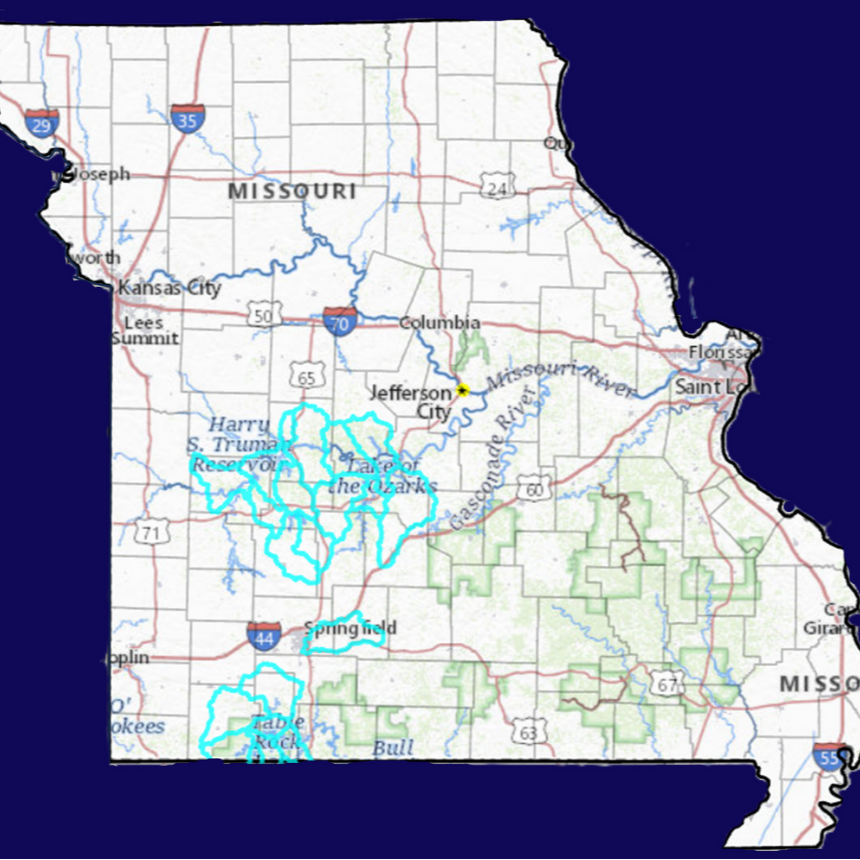
We offer grant programs to assist homeowners in parts of Arkansas and Missouri to repair or replace failing septic systems.
Find out if you're eligible today!